Solving Small Business Hiring Headaches with Smart Automation
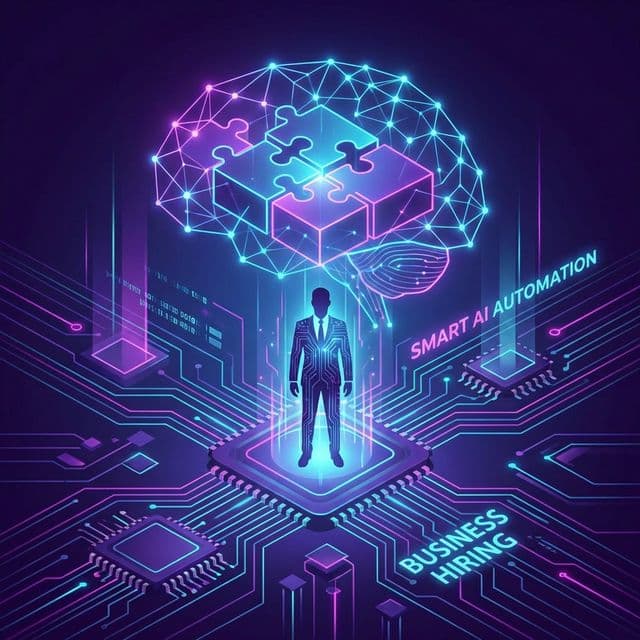
Table of Contents
The Reality Check: What Small Business Owners Are Saying
Scroll through any small business forum on Reddit and you’ll find a common refrain. Business owners are frustrated by the sheer difficulty of finding and screening qualified employees. The process is time-consuming, often ineffective, and leaves many feeling like they’re throwing darts in the dark.
But the problems don’t end once someone accepts an offer. Ghosting has become an epidemic. Freelancers disappear mid-project. New hires stop showing up after a week. The revolving door of turnover means you’re constantly back at square one, posting job ads and sifting through applications instead of growing your business.
Why Traditional Hiring Fails Small Businesses
The hiring methods that work for corporations with full HR departments simply don’t scale down. When you’re the owner, manager, and now reluctant recruiter, you don’t have time to manually review hundreds of resumes or conduct phone screens with dozens of candidates. You certainly don’t have bandwidth to run comprehensive background checks or create elaborate onboarding programs.
The result? You either spend too much time hiring (taking you away from revenue-generating activities) or you rush the process and end up with bad fits who leave quickly, starting the cycle all over again.
Enter the AI Revolution: Your Virtual HR Department
The good news is that technology has finally caught up with the needs of small businesses. AI-powered tools can now handle the heavy lifting of recruitment, giving you back your time while actually improving the quality of your hires.
Intelligent Resume Screening
Modern applicant tracking systems use artificial intelligence to do what would take you hours in minutes. These systems scan resumes for relevant qualifications, experience levels, and skills that match your job requirements. They rank candidates based on fit, so you’re only reviewing the top prospects instead of wading through every application. Some systems can even identify promising candidates whose resumes might not perfectly match your keywords but show transferable skills and potential.
Automated First Contact
AI chatbots can engage with candidates the moment they apply, asking preliminary questions about availability, salary expectations, and key qualifications. This initial screening happens 24/7, so candidates get immediate feedback and you get pre-qualified prospects. The chatbot can even schedule interviews automatically based on your calendar availability, eliminating the endless email ping-pong of finding a mutual time.
Streamlined Verification
Reference checks and skill assessments traditionally consume hours of phone tag and coordination. Automated systems can now handle these tasks efficiently. They send standardized reference questionnaires to previous employers, conduct timed skill tests relevant to the position, and even perform background screenings. You receive comprehensive reports without having to chase down a single reference or create a single test question.
Predicting and Preventing Turnover
Perhaps most valuably, workforce management software with predictive capabilities can help you identify flight risks before they become problems. These systems analyze patterns in scheduling preferences, attendance, engagement metrics, and performance indicators to flag employees who may be considering leaving. They can also optimize schedules based on individual preferences and historical data, reducing no-shows and improving satisfaction.
Predictive scheduling ensures you’re neither overstaffed during slow periods nor desperately understaffed during busy times. When employees get consistent, predictable schedules that work with their lives, they’re far more likely to stick around.
Making the Transition
Implementing AI hiring tools doesn’t mean losing the human touch. These systems handle the tedious, repetitive work so you can focus on what actually matters: connecting with promising candidates, assessing cultural fit, and making informed final decisions.
Start by identifying your biggest pain point. If you’re drowning in applications, begin with an AI-powered applicant tracking system. If ghosting and turnover are your primary issues, prioritize workforce management software with engagement tracking. Many of these tools offer free trials or tiered pricing that scales with your business size.
The initial setup requires some investment of time to configure your requirements and preferences, but the ongoing time savings are substantial. Most small business owners report recouping their investment within the first few hires simply through reduced time-to-hire and better retention rates.
The Bottom Line
You started your business to pursue your passion and serve your customers, not to become a recruitment expert. AI-powered hiring tools let you delegate the screening, scheduling, and administrative burden to technology while you focus on building relationships with the best candidates.
In a tight labor market where every hire counts, small businesses can’t afford to rely on outdated, manual processes. The companies that will thrive are those that leverage automation to compete with larger firms on talent acquisition, even without a dedicated HR team.
Your next great hire is out there. With the right tools, you can actually find them before your competition does, and keep them long enough to make a real impact on your business.